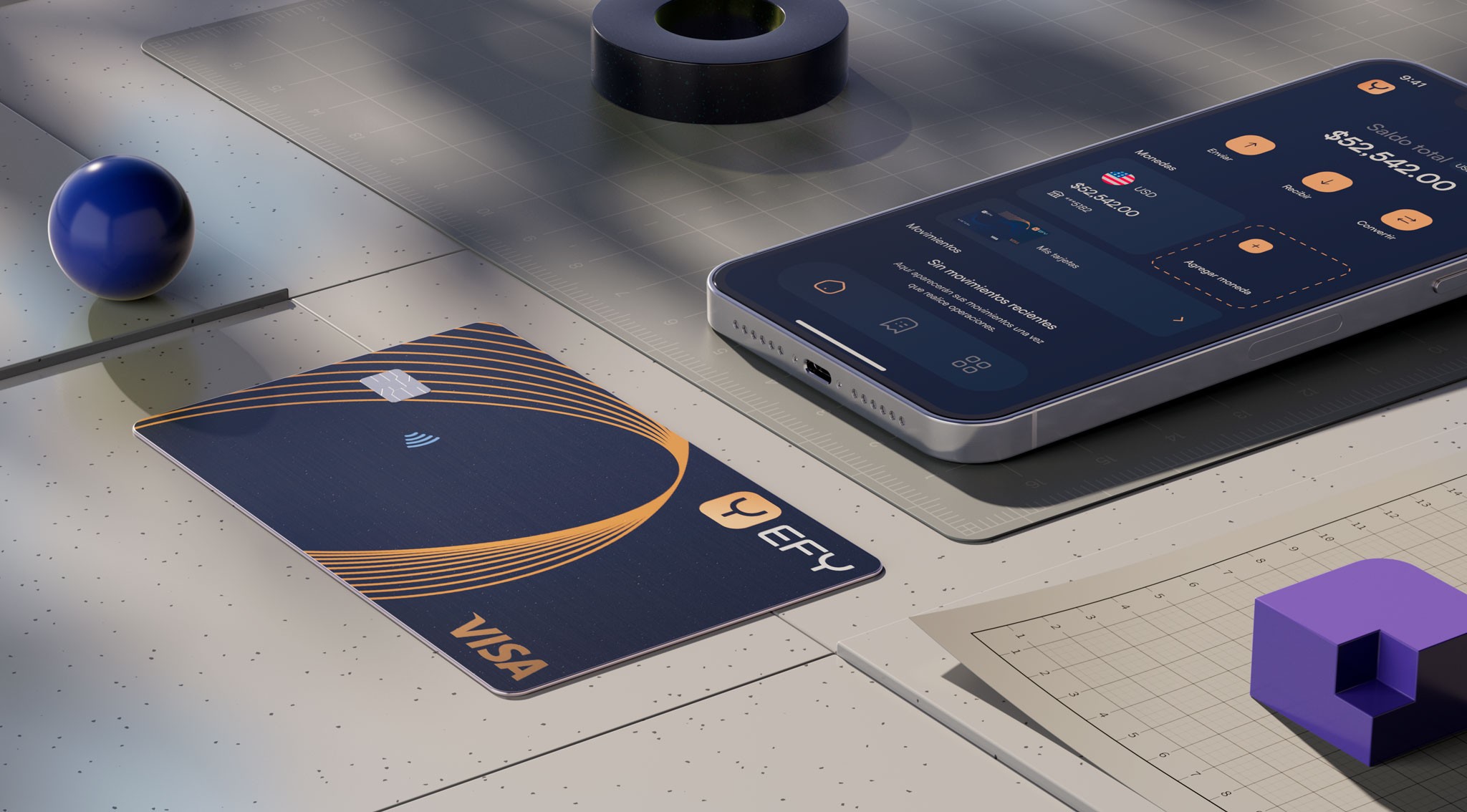
EFY Finance

Fintech / Crypto

March 2, 2025

Intro

As Lead Product Designer, I led the redesign of EFY’s core ecosystem across web and mobile, driving strategic UX decisions, scalable design operations, onboarding optimization, and AI-assisted investing experiences.

About EFY


EFY Finance is a fintech platform focused on simplifying crypto and investment experiences across LATAM through digital banking infrastructure, multi-currency accounts, cards, yield products, and AI-assisted financial experiences.

As the platform evolved, EFY needed to transition from a fragmented crypto experience into a scalable investment ecosystem capable of supporting user growth, onboarding optimization, operational efficiency, and fundraising initiatives.
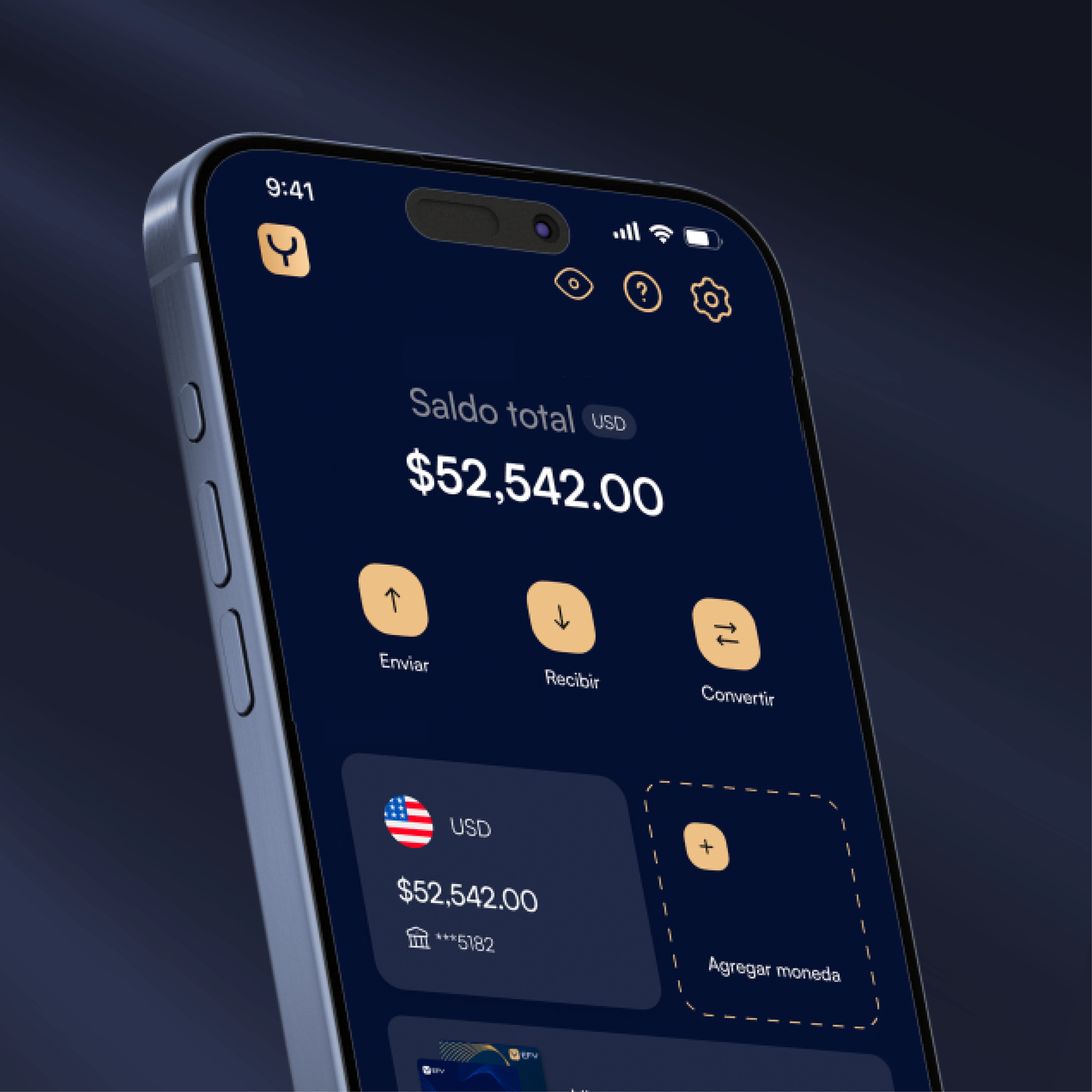


My scope included


  • Product strategy and UX directionllet, investments, and P2P
  • Cross-functional collaboration with product and engineering
  • Design operations and team rituals
  • Design system foundations and scalability
  • AI-assisted investing experiences
  • Core fintech flows across onboarding, exchange, wallet, investments, and P2P


Key Challenges


Fragmented platform experiences
EFY’s product ecosystem lacked consistency across flows, interactions, and visual language, creating friction in onboarding and investment experiences.

Low trust in complex financial flows
Users struggled to confidently navigate onboarding, KYC verification, investing flows, and crypto-related actions across the platform.

Lack of scalable design foundations
EFY did not have a structured design system. Product experiences were built inconsistently, slowing delivery and creating rework across teams.

Fast-moving startup environment
The platform needed to evolve quickly while supporting fundraising conversations, investor storytelling, and future scalability.


Product Goal

-Simplify crypto and investment experiences

-Increase onboarding completion and user trust

-Introduce AI-assisted financial guidance

-Build scalable cross-platform design foundations

-Improve operational efficiency across teams

-Support fundraising and investor storytelling initiatives


Building the Design System
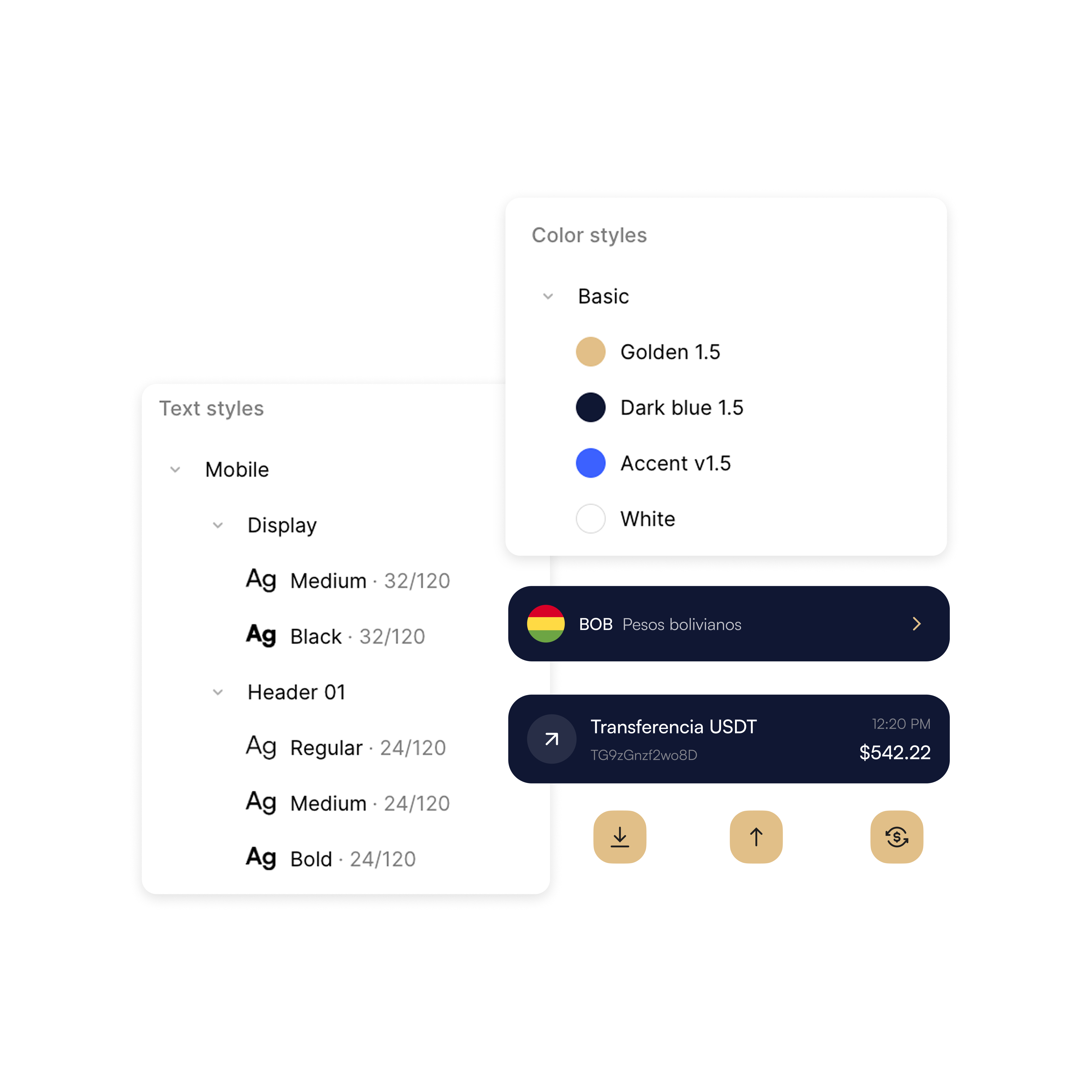


One of the biggest operational gaps inside EFY 1.5 was the absence of a scalable design system.


To accelerate execution and improve consistency, I rebuilt the platform foundations by recycling and evolving components from EFY 1.0 into a more scalable structure for EFY 1.5, later expanding those foundations to support the vision for EFY Platform 2.0.

Standardizing components and interaction patterns
Improving consistency across web and mobile
Creating reusable UI foundations
Reducing rework between design and engineering
Supporting faster product iteration across squads
Establishing scalable foundations for future AI experiences


The system became a key enabler for product scalability, operational efficiency, and platform evolution.

Introducing EFY Platform 2.0
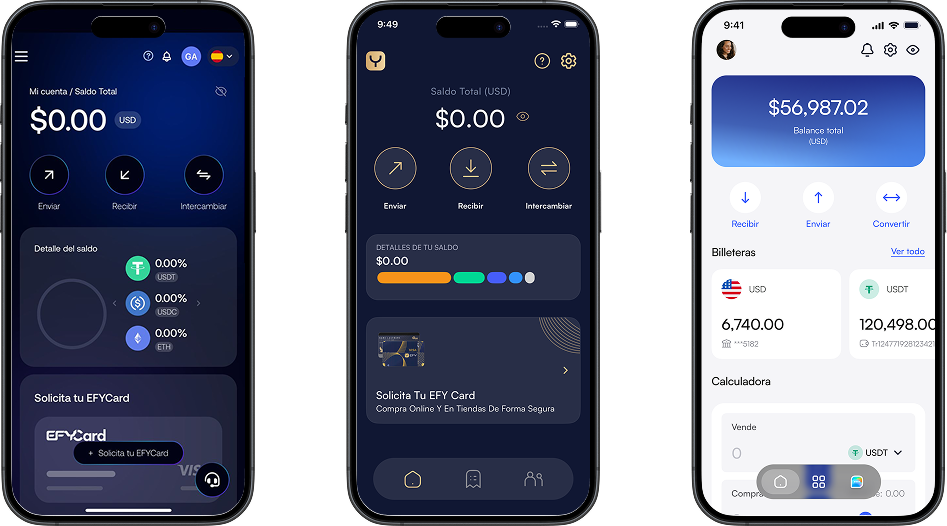


A major initiative within the redesign was the creation of EFY 2.0. Introducing a refreshed visual direction, improved information architecture, and AI-assisted financial experiences.

The goal was to create a more approachable, scalable, and future-oriented investment ecosystem while improving the perception of trust and product maturity for both users and investors.

The redesign also supported fundraising and investor storytelling efforts by creating a more cohesive and scalable product vision for the company.


AI Financial Assisted Experiences
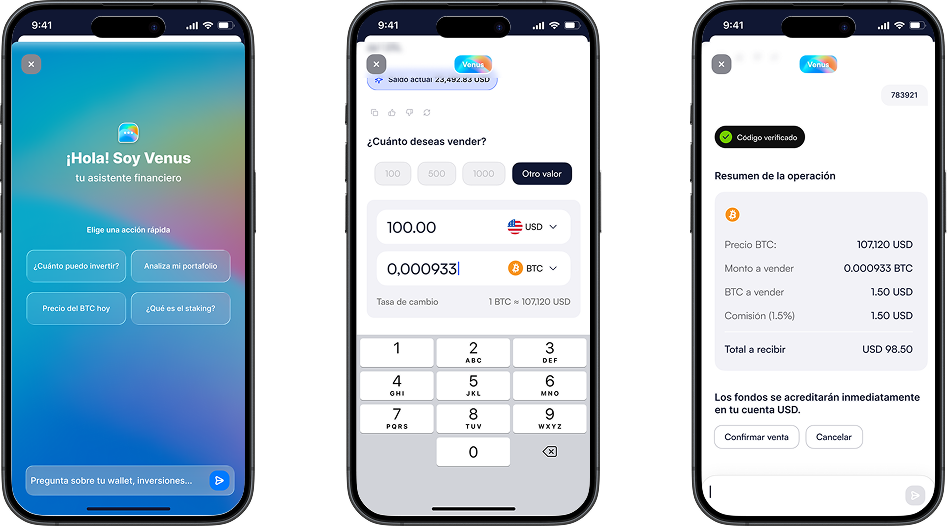


The AI assistant was designed to simplify complex financial decisions, improve product discoverability, and guide users through investing journeys in a more conversational and accessible way.

The AI layer focused on:
- Simplifying investment decisions
- Improving onboarding guidance
- Increasing financial accessibility
- Reducing cognitive overload
- Creating more human and contextual product interactions

Prototype: Venus AI


Impact and outcomes


Reduced onboarding drop-off by 13%
Improved usability and clarified KYC guidance, helping users move through account verification with less friction.

Reduced customer support contact by 42%
Launched an AI-powered WhatsApp support chatbot that helped users solve common questions faster and reduced operational pressure on the support team.

Improved product consistency across web and mobile
Rebuilt and evolved the design system, standardizing components, patterns, and visual language across core fintech flows.

Accelerated product delivery
Created reusable components and clearer design documentation, reducing rework and helping product and engineering teams move faster.

Expanded the product experience beyond transactions
Designed AI-driven guidance, investment education, card flows, exchange, onboarding, and account experiences to make complex financial actions easier to understand.

Improved cross-functional alignment
Led design critiques, discovery sessions, and collaboration rituals with product, engineering, compliance, and business teams to move from ideas to shipped experiences.

Key Learnings


This project reinforced the importance of balancing business goals, operational scalability, and user trust when designing AI-driven fintech ecosystems.

Beyond interface design, the work required systems thinking, cross-functional alignment, prioritization, operational improvements, and strategic product decision-making within a fast-moving startup environment.

Still scrolling? I like your commitment.

Gabs Linhares

Links

Home

Work

About

Resumé

©2026 GabsLinhares

EFY Finance

Fintech / Crypto

·

March 2, 2025

Intro

As Lead Product Designer, I led the redesign of EFY’s core ecosystem across web and mobile, driving strategic UX decisions, scalable design operations, onboarding optimization, and AI-assisted investing experiences.

About EFY


EFY Finance is a fintech platform focused on simplifying crypto and investment experiences across LATAM through digital banking infrastructure, multi-currency accounts, cards, yield products, and AI-assisted financial experiences.

As the platform evolved, EFY needed to transition from a fragmented crypto experience into a scalable investment ecosystem capable of supporting user growth, onboarding optimization, operational efficiency, and fundraising initiatives.


My scope included


  • Product strategy and UX directionllet, investments, and P2P
  • Cross-functional collaboration with product and engineering
  • Design operations and team rituals
  • Design system foundations and scalability
  • AI-assisted investing experiences
  • Core fintech flows across onboarding, exchange, wallet, investments, and P2P


Key Challenges


Fragmented platform experiences
EFY’s product ecosystem lacked consistency across flows, interactions, and visual language, creating friction in onboarding and investment experiences.

Low trust in complex financial flows
Users struggled to confidently navigate onboarding, KYC verification, investing flows, and crypto-related actions across the platform.

Lack of scalable design foundations
EFY did not have a structured design system. Product experiences were built inconsistently, slowing delivery and creating rework across teams.

Fast-moving startup environment
The platform needed to evolve quickly while supporting fundraising conversations, investor storytelling, and future scalability.


Product Goal

-Simplify crypto and investment experiences

-Increase onboarding completion and user trust

-Introduce AI-assisted financial guidance

-Build scalable cross-platform design foundations

-Improve operational efficiency across teams

-Support fundraising and investor storytelling initiatives


Building the Design System


One of the biggest operational gaps inside EFY 1.5 was the absence of a scalable design system.


To accelerate execution and improve consistency, I rebuilt the platform foundations by recycling and evolving components from EFY 1.0 into a more scalable structure for EFY 1.5, later expanding those foundations to support the vision for EFY Platform 2.0.

Standardizing components and interaction patterns
Improving consistency across web and mobile
Creating reusable UI foundations
Reducing rework between design and engineering
Supporting faster product iteration across squads
Establishing scalable foundations for future AI experiences


The system became a key enabler for product scalability, operational efficiency, and platform evolution.

Introducing EFY Platform 2.0


A major initiative within the redesign was the creation of EFY 2.0. Introducing a refreshed visual direction, improved information architecture, and AI-assisted financial experiences.

The goal was to create a more approachable, scalable, and future-oriented investment ecosystem while improving the perception of trust and product maturity for both users and investors.

The redesign also supported fundraising and investor storytelling efforts by creating a more cohesive and scalable product vision for the company.


AI Financial Assisted Experiences


The AI assistant was designed to simplify complex financial decisions, improve product discoverability, and guide users through investing journeys in a more conversational and accessible way.

The AI layer focused on:
- Simplifying investment decisions
- Improving onboarding guidance
- Increasing financial accessibility
- Reducing cognitive overload
- Creating more human and contextual product interactions

Prototype: Venus AI


Impact and outcomes


Reduced onboarding drop-off by 13%
Improved usability and clarified KYC guidance, helping users move through account verification with less friction.

Reduced customer support contact by 42%
Launched an AI-powered WhatsApp support chatbot that helped users solve common questions faster and reduced operational pressure on the support team.

Improved product consistency across web and mobile
Rebuilt and evolved the design system, standardizing components, patterns, and visual language across core fintech flows.

Accelerated product delivery
Created reusable components and clearer design documentation, reducing rework and helping product and engineering teams move faster.

Expanded the product experience beyond transactions
Designed AI-driven guidance, investment education, card flows, exchange, onboarding, and account experiences to make complex financial actions easier to understand.

Improved cross-functional alignment
Led design critiques, discovery sessions, and collaboration rituals with product, engineering, compliance, and business teams to move from ideas to shipped experiences.

Key Learnings


This project reinforced the importance of balancing business goals, operational scalability, and user trust when designing AI-driven fintech ecosystems.

Beyond interface design, the work required systems thinking, cross-functional alignment, prioritization, operational improvements, and strategic product decision-making within a fast-moving startup environment.


Still scrolling? I like your commitment.

Gabs

Linhares

Links

Home

Work

About

Resumé

©2026 GabsLinhares

EFY Finance

Fintech / Crypto

·

March 2, 2025

Intro

As Lead Product Designer, I led the redesign of EFY’s core ecosystem across web and mobile, driving strategic UX decisions, scalable design operations, onboarding optimization, and AI-assisted investing experiences.

About EFY


EFY Finance is a fintech platform focused on simplifying crypto and investment experiences across LATAM through digital banking infrastructure, multi-currency accounts, cards, yield products, and AI-assisted financial experiences.

As the platform evolved, EFY needed to transition from a fragmented crypto experience into a scalable investment ecosystem capable of supporting user growth, onboarding optimization, operational efficiency, and fundraising initiatives.


My scope included


  • Product strategy and UX directionllet, investments, and P2P
  • Cross-functional collaboration with product and engineering
  • Design operations and team rituals
  • Design system foundations and scalability
  • AI-assisted investing experiences
  • Core fintech flows across onboarding, exchange, wallet, investments, and P2P


Key Challenges


Fragmented platform experiences
EFY’s product ecosystem lacked consistency across flows, interactions, and visual language, creating friction in onboarding and investment experiences.

Low trust in complex financial flows
Users struggled to confidently navigate onboarding, KYC verification, investing flows, and crypto-related actions across the platform.

Lack of scalable design foundations
EFY did not have a structured design system. Product experiences were built inconsistently, slowing delivery and creating rework across teams.

Fast-moving startup environment
The platform needed to evolve quickly while supporting fundraising conversations, investor storytelling, and future scalability.


Product Goal

-Simplify crypto and investment experiences

-Increase onboarding completion and user trust

-Introduce AI-assisted financial guidance

-Build scalable cross-platform design foundations

-Improve operational efficiency across teams

-Support fundraising and investor storytelling initiatives


Building the Design System


One of the biggest operational gaps inside EFY 1.5 was the absence of a scalable design system.


To accelerate execution and improve consistency, I rebuilt the platform foundations by recycling and evolving components from EFY 1.0 into a more scalable structure for EFY 1.5, later expanding those foundations to support the vision for EFY Platform 2.0.

Standardizing components and interaction patterns
Improving consistency across web and mobile
Creating reusable UI foundations
Reducing rework between design and engineering
Supporting faster product iteration across squads
Establishing scalable foundations for future AI experiences


The system became a key enabler for product scalability, operational efficiency, and platform evolution.

Introducing EFY Platform 2.0


A major initiative within the redesign was the creation of EFY 2.0. Introducing a refreshed visual direction, improved information architecture, and AI-assisted financial experiences.

The goal was to create a more approachable, scalable, and future-oriented investment ecosystem while improving the perception of trust and product maturity for both users and investors.

The redesign also supported fundraising and investor storytelling efforts by creating a more cohesive and scalable product vision for the company.


AI Financial Assisted Experiences


The AI assistant was designed to simplify complex financial decisions, improve product discoverability, and guide users through investing journeys in a more conversational and accessible way.

The AI layer focused on:
- Simplifying investment decisions
- Improving onboarding guidance
- Increasing financial accessibility
- Reducing cognitive overload
- Creating more human and contextual product interactions

Prototype: Venus AI


Impact and outcomes


Reduced onboarding drop-off by 13%
Improved usability and clarified KYC guidance, helping users move through account verification with less friction.

Reduced customer support contact by 42%
Launched an AI-powered WhatsApp support chatbot that helped users solve common questions faster and reduced operational pressure on the support team.

Improved product consistency across web and mobile
Rebuilt and evolved the design system, standardizing components, patterns, and visual language across core fintech flows.

Accelerated product delivery
Created reusable components and clearer design documentation, reducing rework and helping product and engineering teams move faster.

Expanded the product experience beyond transactions
Designed AI-driven guidance, investment education, card flows, exchange, onboarding, and account experiences to make complex financial actions easier to understand.

Improved cross-functional alignment
Led design critiques, discovery sessions, and collaboration rituals with product, engineering, compliance, and business teams to move from ideas to shipped experiences.

Key Learnings


This project reinforced the importance of balancing business goals, operational scalability, and user trust when designing AI-driven fintech ecosystems.

Beyond interface design, the work required systems thinking, cross-functional alignment, prioritization, operational improvements, and strategic product decision-making within a fast-moving startup environment.